Mechanical watches are usually not more expensive than automatic watches by default. In fact, both fall under the same broad category: mechanical watches.
Here’s the key difference:
- Mechanical (manual-wind) → You wind it by hand.
- Automatic (self-winding) → It winds itself using a rotor powered by your wrist movement.
Why Mechanical Watches Cost More Than Automatic
Mechanical and automatic watches both use traditional movements, but automatics include a rotor that winds the watch through wrist motion. Price differences usually depend more on brand, craftsmanship, and complications than on the winding type itself.
So why do some mechanical watches cost more?
1️⃣ Craftsmanship & Finishing
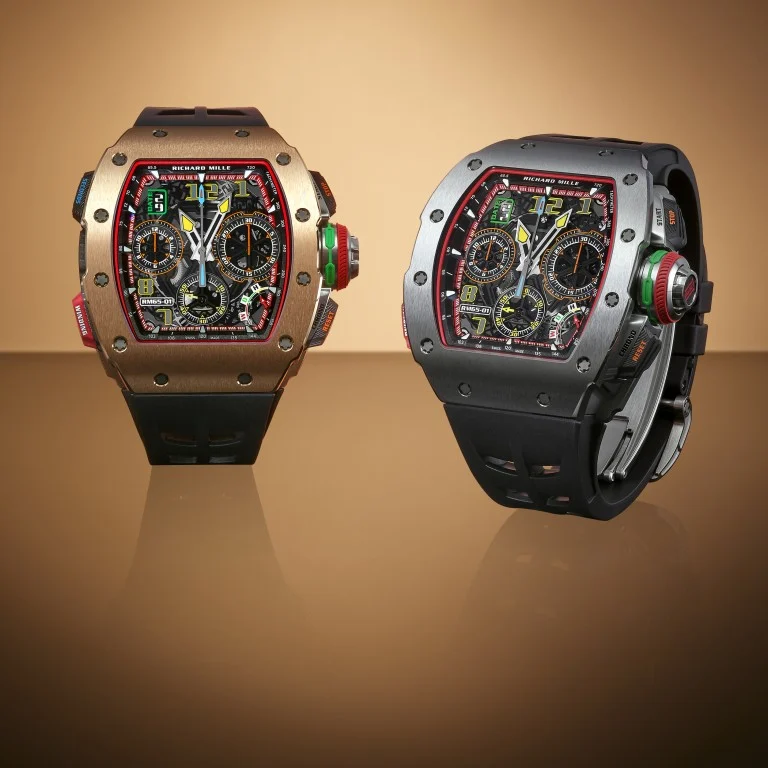
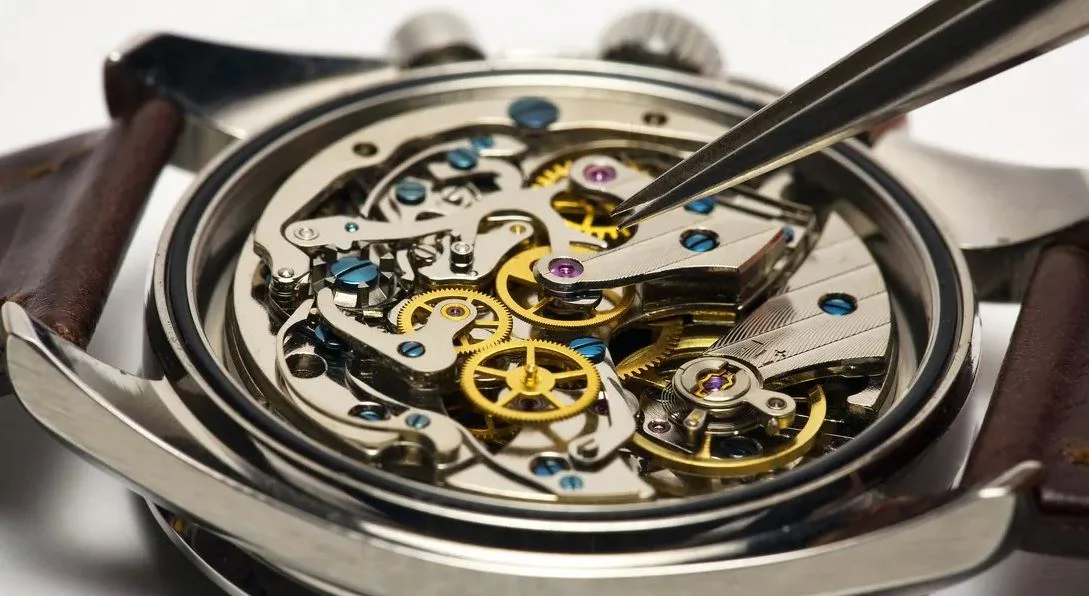
High-end manual mechanical watches (especially from luxury Swiss brands) often involve intricate hand-assembly, fine polishing, decorated bridges, and traditional finishing techniques. That level of craftsmanship increases cost.
2️⃣ Movement Complexity
Some manual mechanical movements are extremely thin, highly complicated, or include features like tourbillons, perpetual calendars, or minute repeaters. Those complications significantly raise the price.
3️⃣ Brand Positioning
Prestige brands like Patek Philippe or A. Lange & Söhne often produce manual mechanical watches as flagship pieces. Pricing reflects heritage, reputation, and exclusivity.
4️⃣ Production Volume
Manual high-end mechanical watches are often made in smaller batches, which drives up per-unit cost.
Important Reality
In the mid-range market, automatic watches are usually priced slightly higher than basic manual mechanical ones because they include an additional rotor mechanism.
Simple Breakdown:
| Type | How It Works | Typical Price Trend |
| Manual Mechanical | Hand-wound | Can be affordable or extremely expensive (luxury segment) |
| Automatic | Self-winding rotor | Often slightly higher than basic manual models |
If you’re comparing specific models, price differences usually come down to brand, movement quality, finishing, and complications — not just “mechanical vs automatic.”
FAQs
- Is a mechanical watch better than an automatic watch?
Neither is universally better. Mechanical (manual) watches offer traditional hand-winding appeal, while automatic watches provide convenience by winding themselves through wrist movement. - Why are automatic watches more expensive than quartz?
Automatic watches use complex mechanical movements with dozens of precision parts, whereas quartz watches run on battery-powered electronic movements that are cheaper to produce. - How long does a mechanical or automatic watch last?
With proper servicing every 3–5 years, both mechanical and automatic watches can last decades — and often generations.