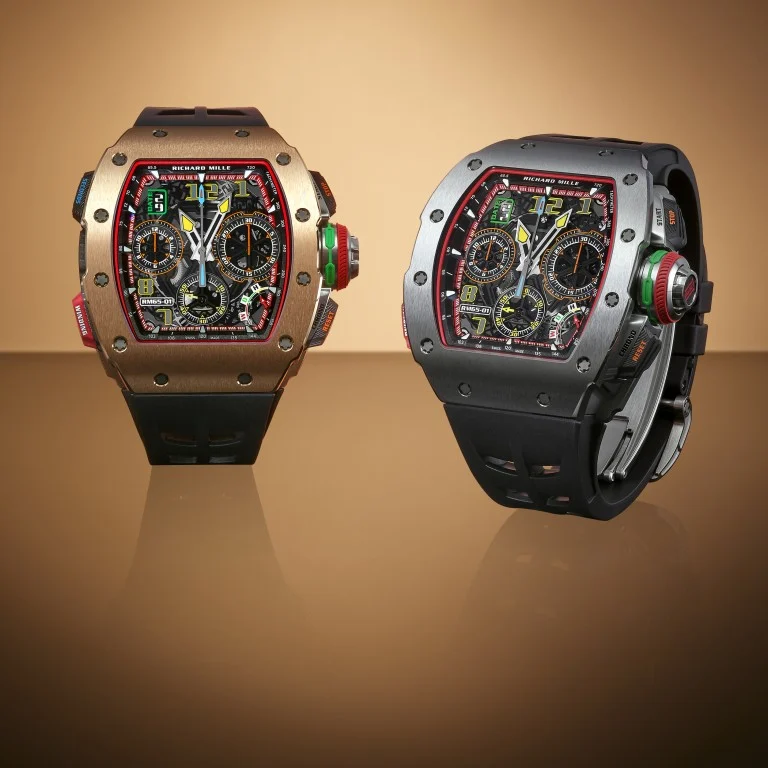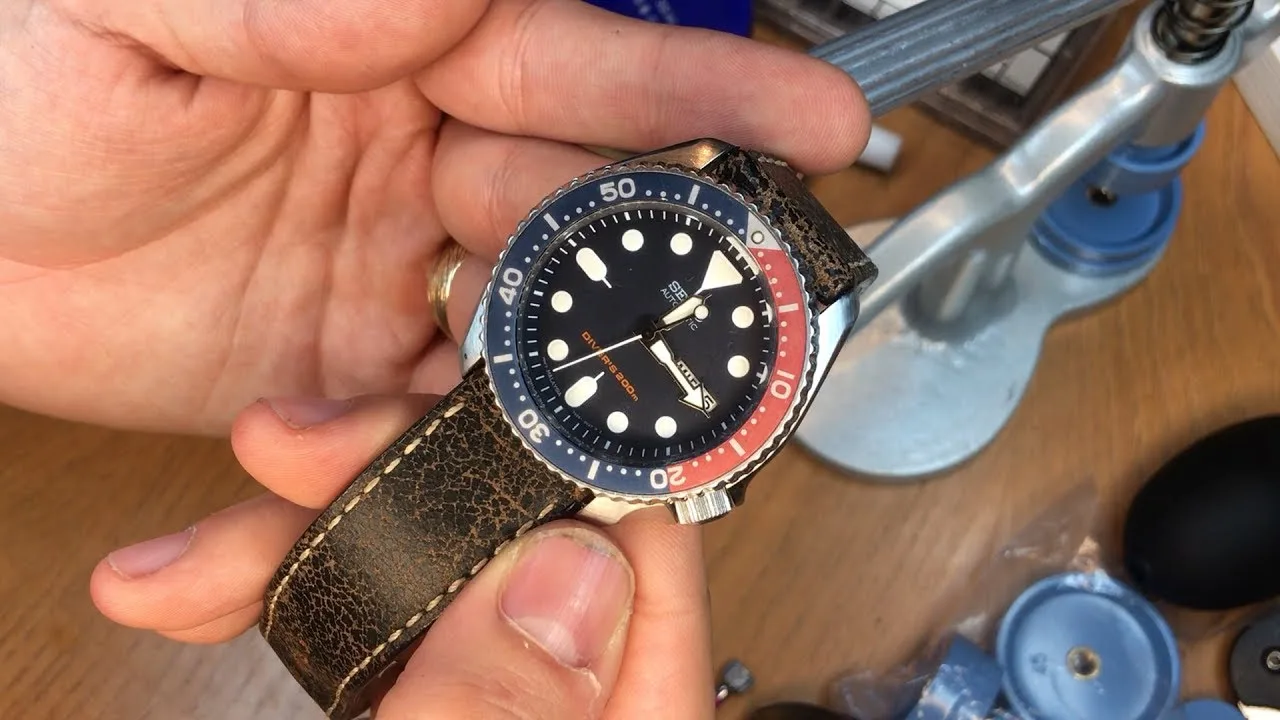
Automatic watches are admired for their craftsmanship, smooth sweeping hands, and battery-free operation.
Unlike quartz watches, they rely on mechanical movement and the natural motion of your wrist to stay powered.
However, one of the most common concerns watch owners face is when their automatic watch suddenly stops working.
The good news is that in many cases, the watch is not broken. It may simply need winding, restarting, or basic maintenance.
In this guide, we’ll explain why automatic watches stop, how they work, and the proper steps to get them running again.
Understanding Why an Automatic Watch Stops
An automatic watch works through a mechanical movement powered by a mainspring.
Inside the watch is a small rotating weight called a rotor. As your wrist moves throughout the day, the rotor spins and winds the mainspring, storing energy that powers the watch.
Because of this mechanism, an automatic watch can stop if it has not been worn for a day or two.
Most automatic watches have a power reserve of around 36 to 72 hours, meaning once the stored energy runs out, the watch will stop ticking until it is rewound.
Other possible reasons include internal dirt buildup, dried lubrication, accidental damage, or issues with the rotor system.
Step 1: Manually Wind the Watch
The first and most common fix is manual winding.
To do this, locate the crown on the side of the watch. If your watch has a screw-down crown, gently unscrew it first. Then rotate the crown clockwise around 15 to 30 times.
Manual winding helps recharge the mainspring and often restarts the movement immediately. Many people assume shaking the watch is enough, but winding is far more effective and safer.
Be gentle while winding. Never force the crown if you feel resistance.
Step 2: Gently Move the Watch
After winding, lightly move or tilt the watch in your hand. This helps activate the internal balance wheel and allows the movement to start running again.
Avoid shaking it aggressively, as rough movement can damage internal components.
Once the second hand starts moving, wear the watch for several hours so the rotor can continue winding the mainspring naturally.
Step 3: Wear It Regularly
Automatic watches need consistent movement to remain powered.
If you only wear your watch occasionally, it may continue stopping every few days. To prevent this:
- Wear it regularly during the week
- Wind it before use if it has been sitting unused
- Consider using a watch winder if you own multiple watches and rotate between them
A watch winder keeps the watch moving when not worn, helping maintain the power reserve.
Common Problems If the Watch Still Stops
If your automatic watch continues stopping after winding, there may be a deeper issue.
Lack of Servicing
Mechanical watches require servicing every few years. Over time, internal oils dry out and create friction, making the movement sluggish or stopping it completely.
Faulty Rotor Mechanism
If the rotor inside the watch is damaged, loose, or jammed, it may not wind the watch properly while worn.
Shock Damage
Dropping the watch or hitting it against a hard surface can damage delicate internal gears or springs.
Magnetization
Automatic watches can sometimes become magnetized when exposed to electronics, speakers, or magnetic objects, affecting timekeeping and movement.
What You Should Avoid
When trying to fix your watch, avoid these common mistakes:
- Do not shake the watch violently
- Do not overwind or force the crown
- Do not open the watch case yourself
- Do not expose it to water unless it is properly sealed
Improper handling can worsen the problem and cause expensive repairs.
When to Visit a Professional Watch Repair Technician
If your watch:
- does not start after winding,
- stops repeatedly after a short time,
- makes unusual noises,
- or feels loose internally,
it may require professional inspection.
A watch technician can diagnose issues such as broken springs, rotor failure, dirt buildup, or lubrication problems.
Final Thoughts
A stopped automatic watch does not always mean it is broken. In many cases, it simply needs winding and regular wear to function again. By understanding how automatic watches work and following proper care techniques, you can keep your watch running smoothly for years.
If basic troubleshooting does not solve the issue, professional servicing is the safest next step.