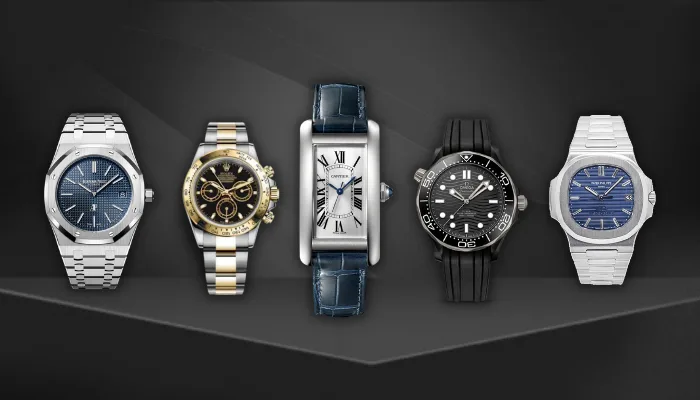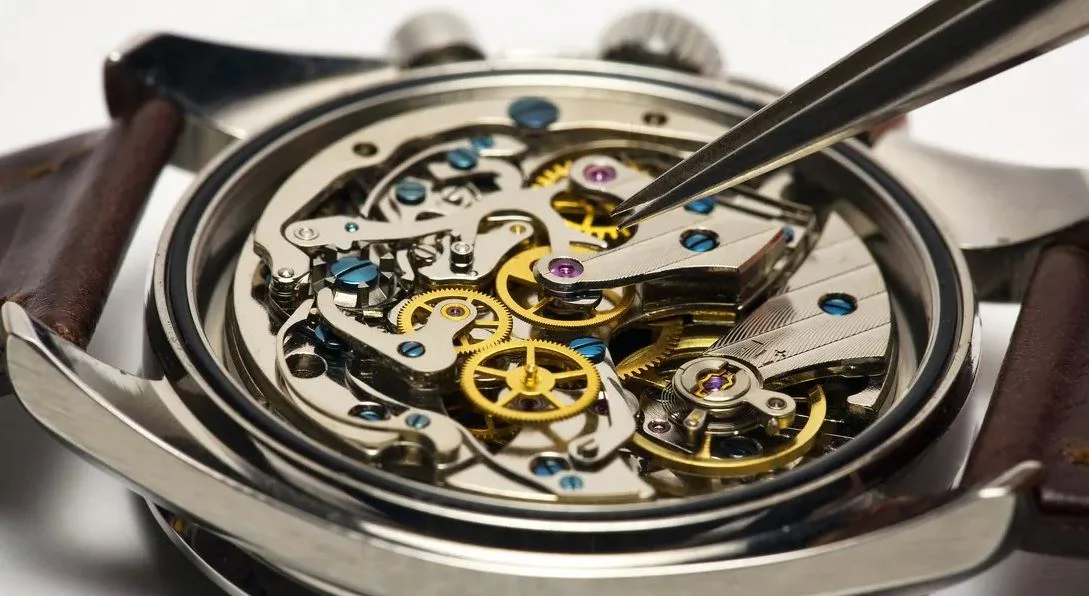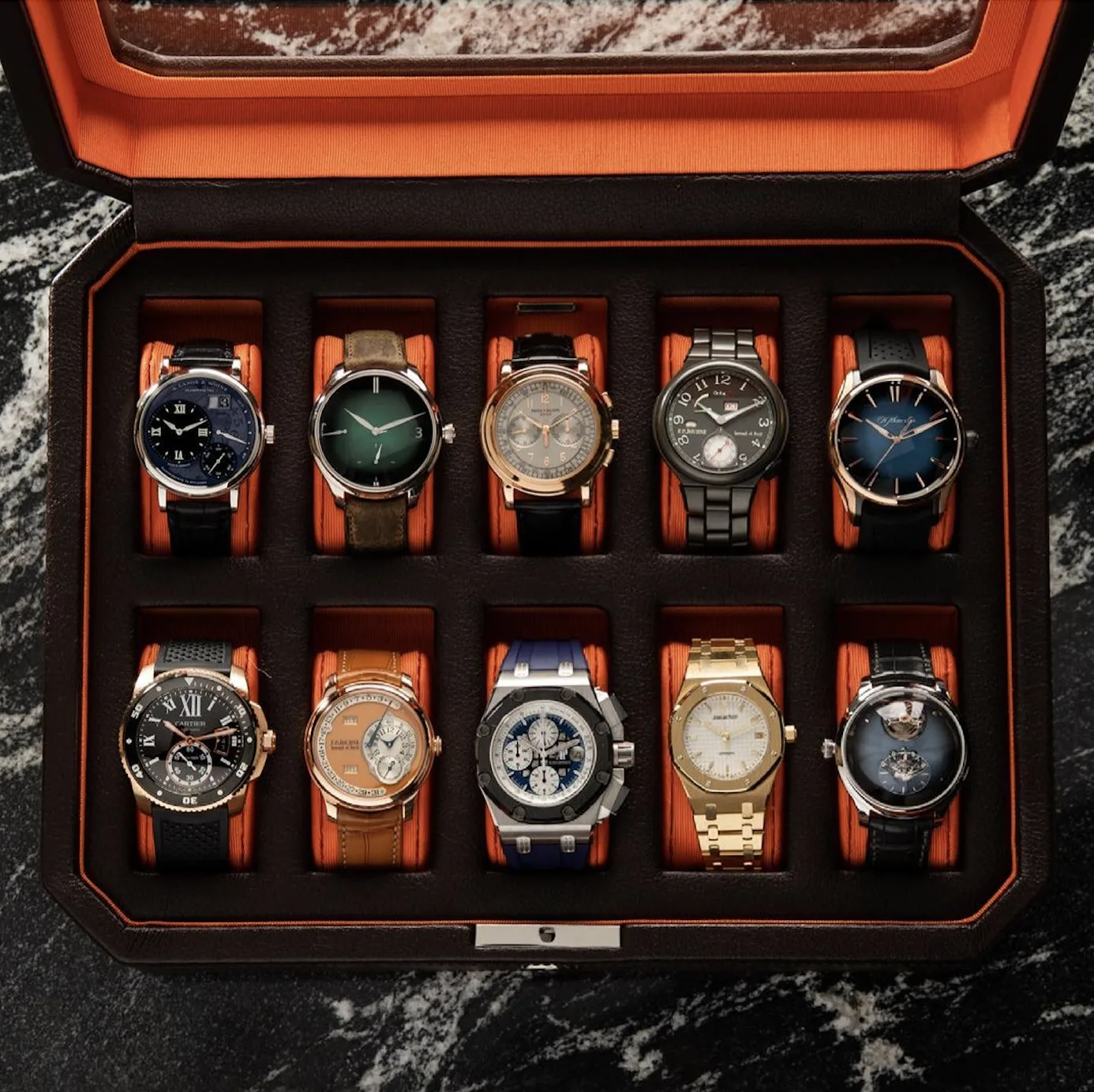
Luxury watchmaking sits at the intersection of mechanical engineering, heritage craftsmanship, and modern innovation. In 2026, a small group of manufacturers continues to dominate collector demand, auction performance, and cultural influence. These brands shape how enthusiasts define prestige, technical merit, and long-term value.
Understanding what distinguishes each maker helps buyers, collectors, and newcomers evaluate watches beyond marketing narratives — focusing instead on craftsmanship, innovation, and enduring design.
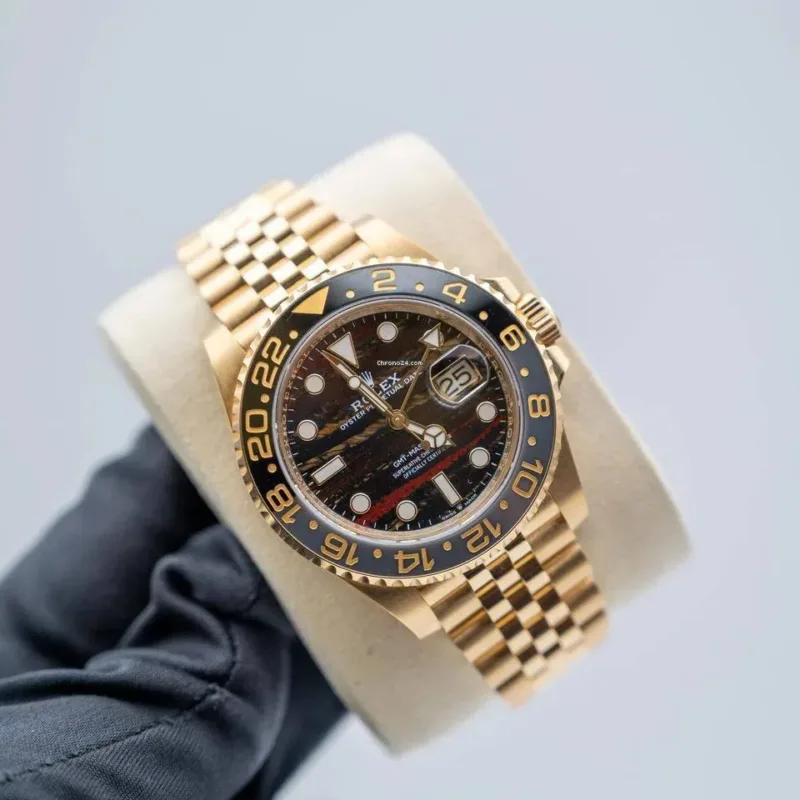
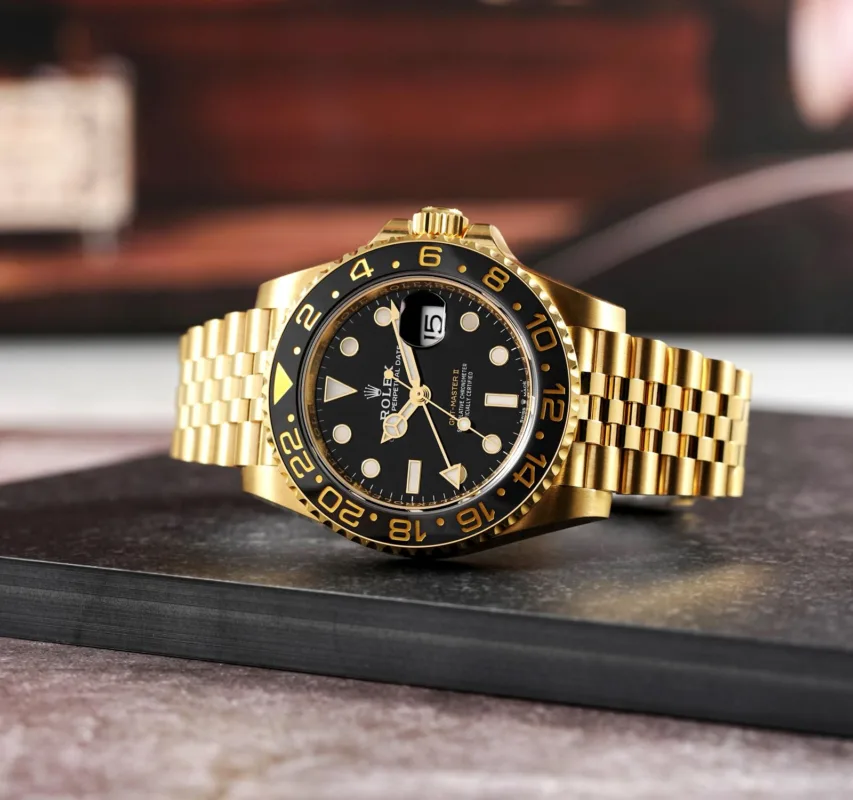
Rolex — The Global Benchmark for Luxury Watches
Rolex remains the most widely recognized luxury watch manufacturer in the world. Its appeal spans first-time buyers, seasoned collectors, and investors seeking long-term value retention.
The brand’s reputation is built on incremental engineering refinement, durable construction, and instantly recognizable design language. Rolex rarely introduces radical changes, favoring evolutionary improvements that protect brand continuity.
Recent movement upgrades — including refinements to escapement efficiency and power reserve — reinforce Rolex’s philosophy: reliability and performance over novelty.
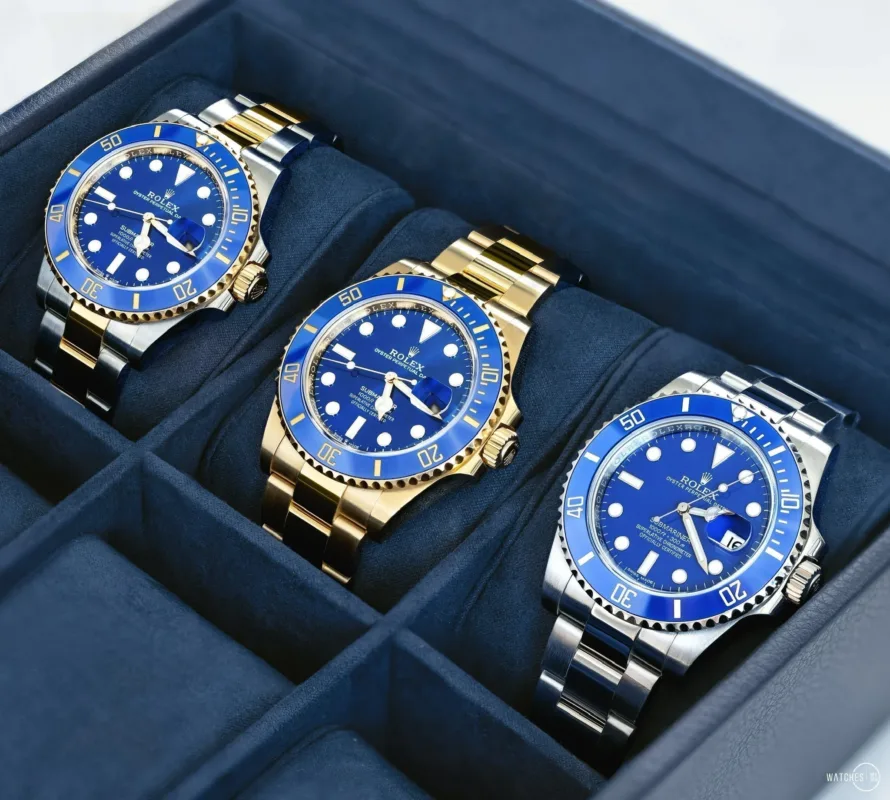
Iconic models continue to anchor demand:
-
Submariner — the modern template for dive watches
-
Daytona — one of the most traded luxury chronographs
-
Datejust — everyday versatility with formal appeal
Secondary market strength remains unusually resilient compared to most luxury goods, contributing to Rolex’s reputation for stability.
Why collectors value Rolex
-
Consistent manufacturing standards
-
Strong resale performance
-
Timeless, recognizable designs
Patek Philippe — Generational Prestige and Complication Mastery
Patek Philippe occupies the upper tier of traditional Swiss haute horlogerie. Limited production, extensive hand finishing, and complex mechanical engineering define the brand’s identity.
Rather than pursuing scale, Patek emphasizes craftsmanship depth — particularly in high complications such as perpetual calendars and minute repeaters.
The Nautilus continues to symbolize modern luxury sports watch culture, while Grand Complication pieces demonstrate technical artistry aimed at seasoned collectors.
Patek’s enduring appeal lies in positioning watches as heirlooms — objects meant to outlast their original owners.
Why collectors value Patek Philippe
-
Exceptional movement finishing
-
Limited production scarcity
-
Historical continuity
Audemars Piguet — Contemporary Luxury Innovation
Audemars Piguet blends traditional watchmaking with modern industrial design. The Royal Oak remains one of the most influential watch designs ever produced, introducing luxury steel sports watches to mainstream acceptance.
Recent releases emphasize openworked movements, advanced materials, and architectural aesthetics that appeal to collectors seeking modern visual identity.
The Code 11.59 collection signals AP’s willingness to experiment beyond legacy icons, demonstrating a long-term commitment to innovation.
Why collectors value Audemars Piguet
-
Distinctive design language
-
Material experimentation
-
Strong collector culture
Richard Mille — Engineering-Driven Watchmaking
Richard Mille represents the high-performance edge of luxury horology. Known for aerospace materials, shock resistance, and skeletonized construction, the brand positions watches as wearable engineering statements.
Ultra-light composite cases, torque-optimized movements, and biomechanical testing attract athletes and technology-focused collectors.
Pricing reflects both manufacturing complexity and niche positioning within the ultra-luxury segment.
Why collectors value Richard Mille
-
Advanced materials science
-
High mechanical performance
-
Bold aesthetic identity
Vacheron Constantin — Heritage Craftsmanship
Founded in the 18th century, Vacheron Constantin emphasizes traditional finishing techniques and classical watchmaking architecture.
Collections like Traditionnelle and Patrimony showcase restrained design paired with intricate complications — appealing to collectors who prioritize refinement over trend-driven styling.
Production remains selective, balancing exclusivity with accessibility relative to ultra-scarce peers.
Why collectors value Vacheron Constantin
-
Hand finishing excellence
-
Classical design language
-
Historical continuity
Omega — Innovation with Cultural Legacy
Omega combines technical development with broad cultural recognition. Its historical associations — including space exploration — reinforce credibility beyond marketing narratives.
The Speedmaster and Seamaster remain cornerstone models, balancing professional functionality with collector appeal.
Omega’s in-house movement technology and chronometric certification programs demonstrate continued investment in engineering precision.
Why collectors value Omega
-
Proven technical achievements
-
Accessible luxury positioning
-
Strong heritage identity
Grand Seiko — Precision and Japanese Craftsmanship
Grand Seiko approaches luxury watchmaking through meticulous finishing and engineering innovation. Spring Drive technology merges mechanical energy with quartz regulation, achieving exceptional accuracy without sacrificing traditional watch mechanics.
Textured dials inspired by nature distinguish the brand visually while reinforcing craftsmanship storytelling.
Grand Seiko attracts collectors seeking high finishing standards at comparatively restrained price points.
Why collectors value Grand Seiko
-
Innovative movement technology
-
Detailed dial craftsmanship
-
Strong value proposition
How to Evaluate Luxury Watch Brands in 2026
When comparing luxury manufacturers, collectors often weigh:
-
Mechanical innovation vs. heritage tradition
-
Design longevity vs. contemporary styling
-
Market liquidity and resale demand
-
Craftsmanship depth and finishing quality
No single brand dominates every category. Preferences depend on whether the buyer prioritizes investment stability, technical complexity, aesthetics, or brand prestige.
The Modern Luxury Watch Landscape
Mechanical watchmaking continues thriving despite digital alternatives because it represents craftsmanship, engineering artistry, and cultural symbolism. These leading brands define different expressions of luxury — from timeless conservatism to experimental engineering.
For buyers and collectors, understanding brand philosophy provides context for meaningful purchases that extend beyond status into appreciation of mechanical artistry.
FAQs
What is considered a luxury watch brand?
A luxury watch brand is typically defined by mechanical craftsmanship, heritage, finishing quality, and limited production rather than mass manufacturing. Brands like Rolex, Patek Philippe, and Audemars Piguet are known for in-house movements, premium materials, and long-term collector demand — factors that elevate them beyond fashion watches.
Which luxury watch brand holds value best?
Historically, certain models from Rolex and Patek Philippe show strong resale stability due to brand recognition, limited supply, and collector demand. However, value retention varies widely by model, condition, and market cycles. Luxury watches should be purchased primarily for enjoyment, with resale seen as a secondary benefit.
Are luxury watches a good investment in 2026?
Luxury watches can preserve value better than many consumer goods, but they are not guaranteed investments. Iconic models with consistent demand — such as sports watches or high complications — tend to perform more predictably. Buyers should prioritize craftsmanship and personal appreciation over speculation.
What makes Swiss luxury watches different?
Swiss luxury watches emphasize mechanical precision, finishing traditions, and long-standing horological standards. Brands like Vacheron Constantin and Omega maintain centuries-old craftsmanship practices while integrating modern engineering — a balance that defines Swiss haute horlogerie.
Is Grand Seiko considered a true luxury watch brand?
Yes. Grand Seiko is widely respected among collectors for its precision engineering, hand finishing, and unique movement technology. While stylistically different from Swiss brands, it meets — and often exceeds — luxury standards in craftsmanship and accuracy.
Why are some luxury watches so expensive?
Pricing reflects multiple factors: research and development, hand assembly, finishing complexity, materials, limited production, and brand positioning. Brands like Richard Mille push engineering boundaries with exotic materials and advanced construction techniques, contributing to higher price tiers.
How should beginners choose their first luxury watch?
New buyers should focus on versatility, comfort, serviceability, and brand reliability. Entry points from established makers — such as sport or dress watches — provide strong foundations. Trying watches in person, understanding sizing, and buying from authorized sources are essential steps.
Do luxury watches require special maintenance?
Mechanical watches require periodic servicing — typically every 5 to 8 years — to maintain accuracy and longevity. Proper storage, avoiding magnetic exposure, and regular wear or winding help preserve performance. Authorized service ensures parts authenticity and long-term reliability.