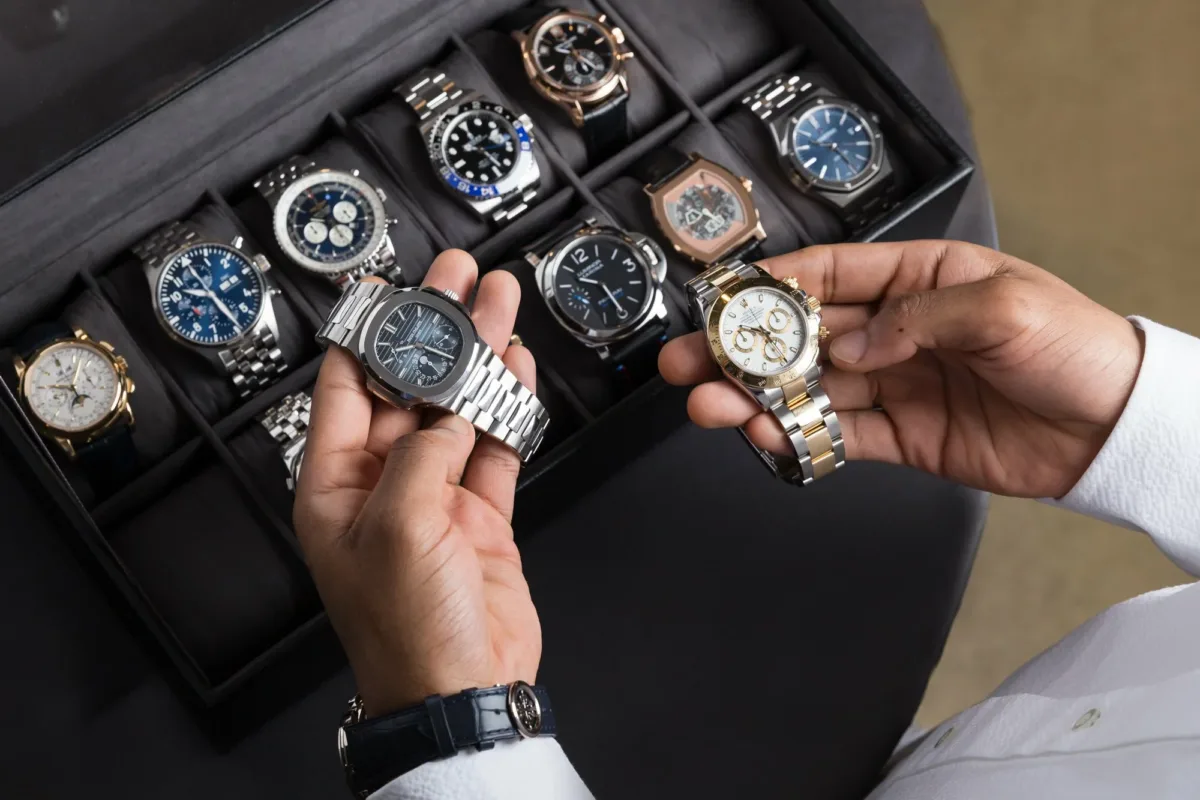
Choosing a watch represents more than selecting a timekeeping device. For men, a quality timepiece communicates personal style, values, and attention to detail without uttering a word. In 2025, the watch landscape offers unprecedented variety, from traditional mechanical masterpieces to cutting-edge smartwatches, creating both opportunities and challenges for the discerning gentleman.
Understanding Your Watch Needs
Before exploring specific models, consider how you’ll actually wear a watch. Different lifestyles demand different capabilities. Corporate professionals attending frequent meetings might prioritize dressy elegance and versatility. Active individuals need robust sports watches capable of handling physical demands. Tech enthusiasts may want smartwatch connectivity alongside traditional styling.
Budget establishes realistic parameters. Quality watches exist across price ranges from several hundred dollars to six figures. Determining comfortable spending levels prevents both overstretching finances and settling for inferior options when better investments would provide greater long-term satisfaction.
Consider watch sizes carefully. Wrist dimensions vary significantly among individuals, and wearing oversized or undersized watches creates awkward proportions. Classic dress watches typically range from thirty-six to forty millimeters. Sports watches run larger, often forty-two to forty-four millimeters. Trying watches in person reveals what proportions suit your wrist best.
The Versatile Everyday Watch
Many men benefit from owning one highly versatile watch suitable for most occasions. This approach simplifies daily decisions while ensuring appropriate coverage across contexts from casual weekends to formal events.
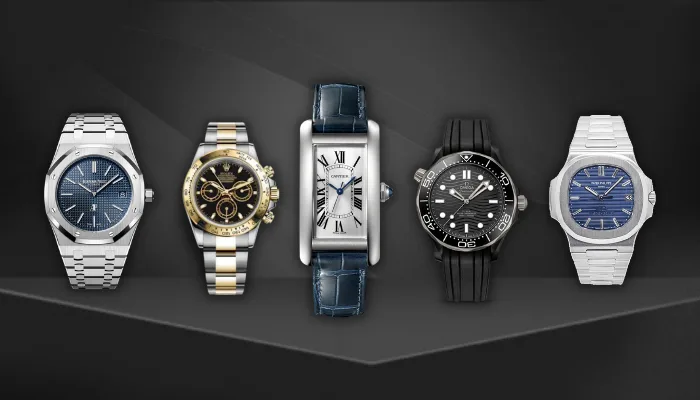
The Rolex Datejust exemplifies this category perfectly. Its classic design works equally well with business suits or casual jeans. Available in various sizes, the thirty-six millimeter version suits smaller wrists while the forty-one millimeter appeals to those preferring larger watches. The date complication provides useful functionality without excessive complications.
Omega’s Aqua Terra offers similar versatility with distinctive aesthetics. Its teak-patterned dial references yacht decking, creating sporty elegance suitable for office or leisure. Water resistance and robust construction allow worry-free daily wear, while refined finishing maintains luxury credentials.
For those seeking value without compromising quality, Grand Seiko’s offerings deliver exceptional craftsmanship at prices below Swiss equivalents. The brand’s mechanical watches feature impeccable finishing, innovative movements, and distinctive dials inspired by Japanese natural landscapes. These pieces appeal to knowledgeable buyers who appreciate technical merit beyond pure brand recognition.
The Dress Watch: Formal Elegance
Formal occasions demand refined restraint. Dress watches emphasize thin profiles that slip easily under shirt cuffs, clean dials that prioritize legibility over complications, and precious metal cases that complement formal attire.
Patek Philippe’s Calatrava represents the archetypal dress watch. Its minimalist dial, elegant proportions, and luxurious finishing create understated sophistication. Wearing a Calatrava signals refined taste and substantial means without ostentatious display.
Jaeger-LeCoultre’s Master Ultra Thin offers exceptional value within dress watch categories. As the name suggests, slim profiles allow comfortable wear under formal shirts. The brand’s horological expertise ensures technical excellence supporting elegant aesthetics.
For accessible luxury, Longines provides Swiss-made dress watches at moderate prices. The brand’s heritage extends over a century, lending legitimacy while pricing remains within reach for buyers building first serious collections.
Sports Watches: Built for Action
Sports watches combine robust construction with water resistance and legibility under challenging conditions. Originally designed for specific professional uses like diving or aviation, these watches now appeal broadly to active lifestyles.
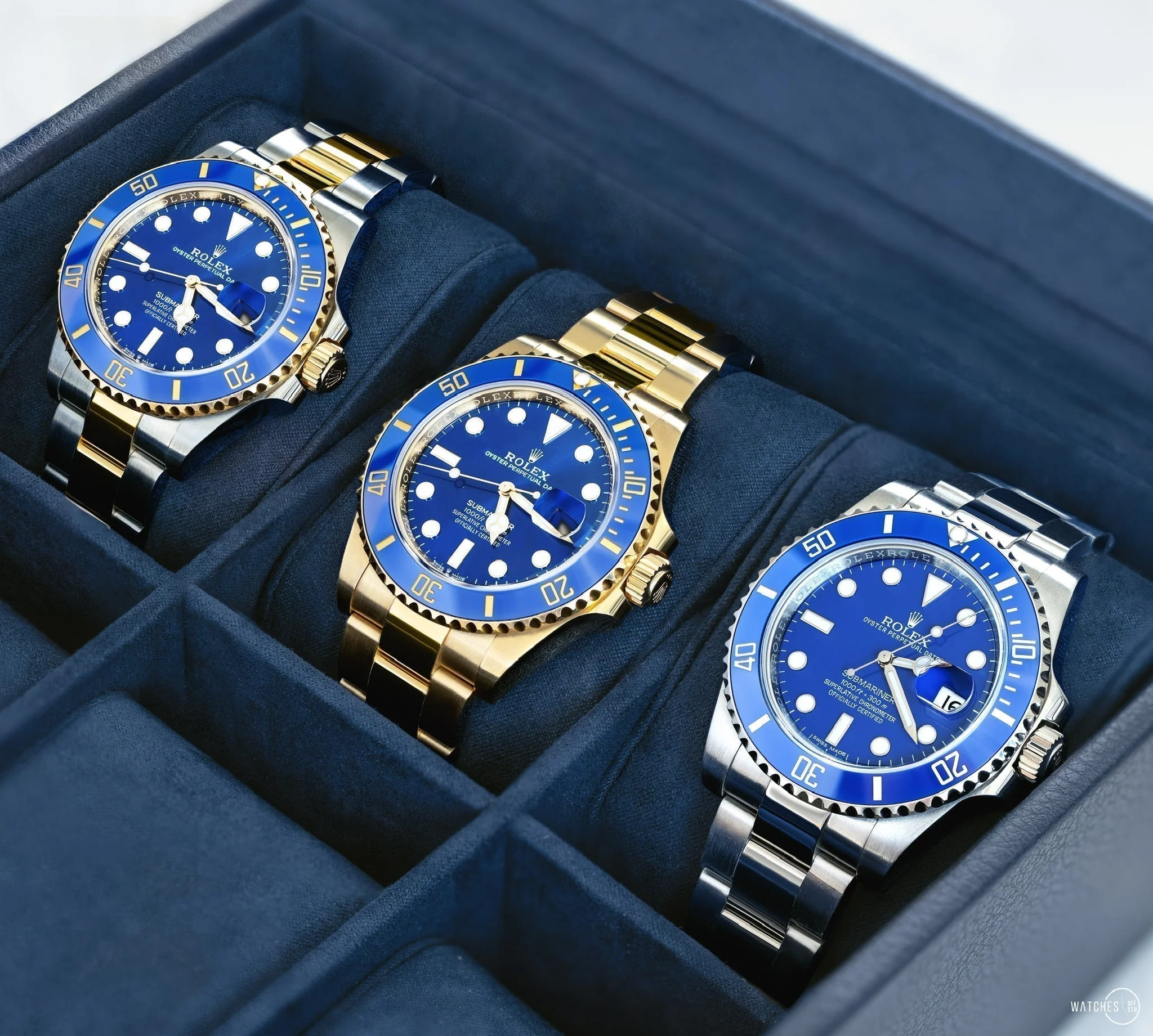
The Rolex Submariner remains the definitive dive watch. Its rotating bezel, luminous markers, and three-hundred-meter water resistance make it legitimately capable tool watch. However, its iconic design and luxury positioning mean most Submariners see swimming pools rather than deep-sea expeditions.
Omega’s Seamaster offers comparable capabilities with James Bond cultural cachet. Available in various configurations from classic black to eye-catching blue dials, Seamasters balance professional specifications with everyday wearability.
For aviation-inspired styling, IWC’s Pilot Chronograph delivers cockpit aesthetics through large Arabic numerals, functional chronograph complications, and straightforward legibility. These watches appeal to those appreciating purposeful design rooted in genuine utility rather than pure fashion.
TAG Heuer’s Monaco offers distinctive square case design that breaks from typical round watch conventions. Made famous by Steve McQueen, the Monaco combines bold styling with legitimate chronograph functionality. Its left-hand crown placement creates immediately recognizable silhouette.
The Chronograph: Timing in Style
Chronographs add stopwatch functionality to time display, creating watches with multiple subdials and pushers. While few owners regularly time events, chronographs offer visual interest and mechanical sophistication that appeal to collectors.
The Rolex Daytona represents chronograph royalty. Its racing heritage, clean dial layout, and strong secondary market values make it among the most desirable watches produced. However, authorized dealer waiting lists and inflated resale prices create barriers for many buyers.
Omega’s Speedmaster Professional offers moon landing heritage at more accessible pricing. The manual-wind movement requires regular winding, creating ritual that mechanical watch enthusiasts appreciate. Its proven reliability and historical significance justify popularity beyond pure specifications.
For contemporary styling, Breitling’s chronographs deliver bold aesthetics and technical capabilities. The brand’s aviation heritage informs designs featuring multiple complications, large cases, and assertive presence. These watches suit individuals comfortable making statements rather than blending in.
Smartwatch Integration
Technology has irrevocably entered watchmaking. Smartwatches offer connectivity, fitness tracking, and customization impossible with mechanical timepieces. The question becomes whether to embrace technology, reject it entirely, or find hybrid solutions.
Apple Watch dominates smartwatch markets through seamless iPhone integration and comprehensive health features. For tech-focused individuals, Apple Watch provides functionality no mechanical watch can match. However, its rectangular design and regular obsolescence create different value propositions than traditional watches.
TAG Heuer’s Connected series bridges traditional and smart watchmaking. These watches combine luxury Swiss styling with digital capabilities, appealing to buyers wanting both worlds. Premium pricing positions them above pure tech watches while offering technological advantages over purely mechanical pieces.
Hybrid smartwatches from brands like Withings and Garmin provide fitness tracking within analog watch aesthetics. These pieces suit buyers wanting health data without overtly tech-forward styling. However, they typically lack the prestige associated with traditional luxury brands.
Investment Considerations
Some buyers view watches purely as functional accessories or personal expressions. Others consider investment potential alongside wearing pleasure. While watches shouldn’t be purchased solely for financial returns, certain pieces offer favorable prospects for value retention or appreciation.
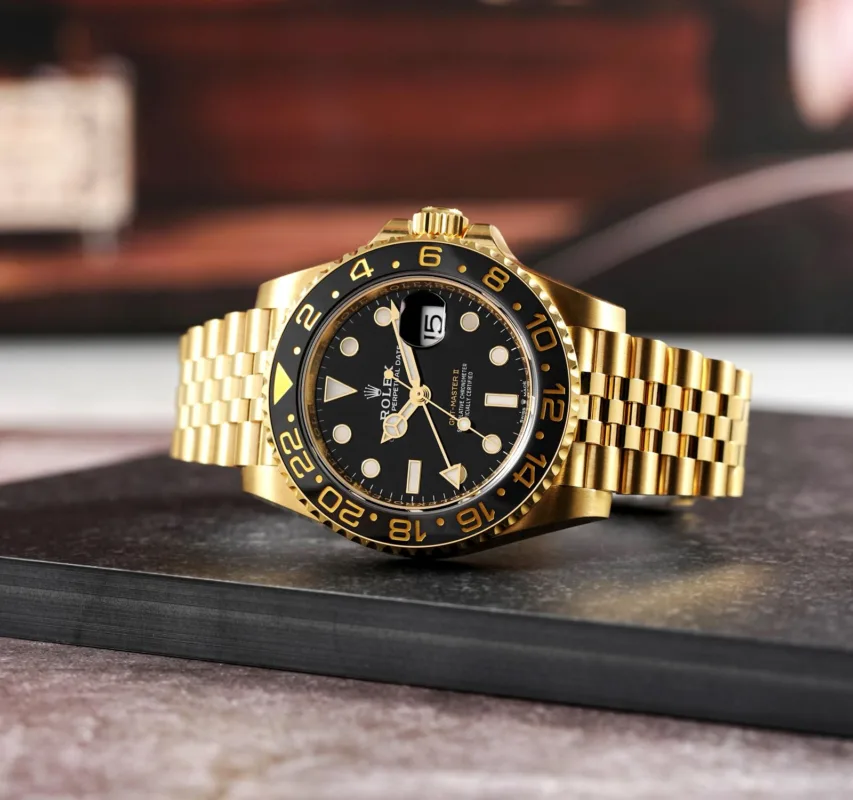
Rolex sports models, particularly Submariner, GMT-Master, and Daytona, demonstrate consistent secondary market strength. Limited production relative to demand creates situations where used watches command premiums over retail prices, assuming buyers can even acquire them from authorized dealers.
Patek Philippe complications and Nautilus sports watches similarly show strong resale performance. The brand’s scarcity and prestige ensure robust collector interest. However, extreme retail prices mean substantial capital commitments even for entry-level pieces.
Vintage watches offer opportunities for appreciation if buyers develop expertise recognizing undervalued pieces. However, authentication challenges, condition issues, and market volatility make vintage collecting complex undertakings requiring significant knowledge.
Building a Collection
Watch collecting can begin with single versatile piece suitable for most occasions. Over time, adding specialized watches for specific contexts creates wardrobes offering appropriate options for any situation.
A typical three-watch collection might include: one versatile daily wearer suitable from office to weekend, one dress watch for formal occasions, and one sports watch for active pursuits or casual contexts. This combination covers most scenarios men encounter while allowing individual pieces to shine in their intended roles.
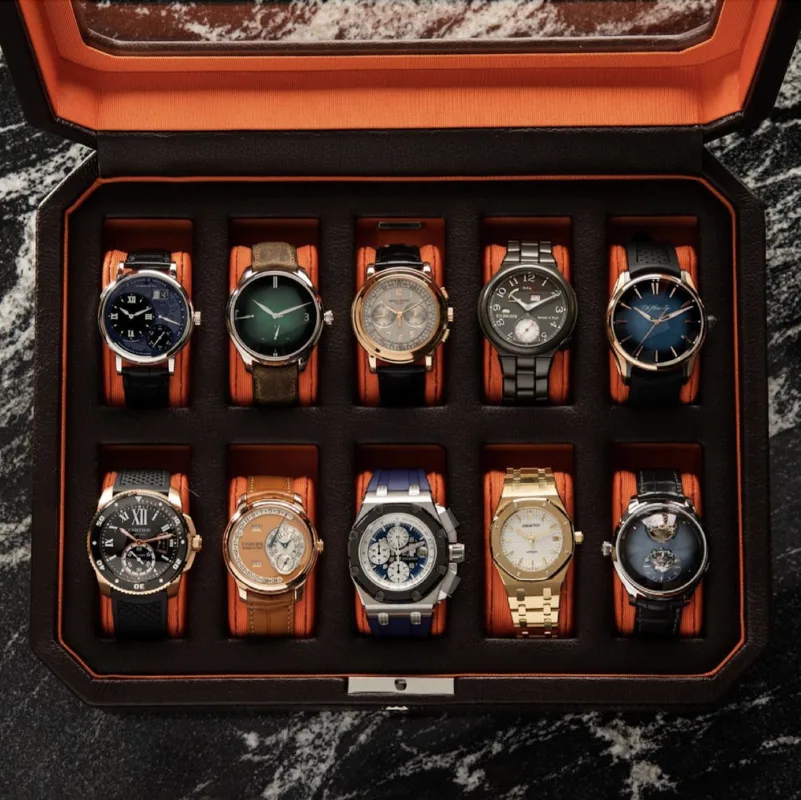
As collections grow, enthusiasts often explore different brands, complications, or styles. Some collectors focus on particular manufacturers, acquiring multiple pieces showcasing brand evolution. Others seek representative examples from various prestigious makers, creating diverse collections spanning horological traditions.
Regardless of approach, successful collecting requires research, patience, and discipline. Impulsive purchases often lead to buyer’s remorse, while thoughtful acquisitions provide lasting satisfaction. Understanding personal preferences, trying watches before buying, and purchasing from reputable dealers minimizes risks while maximizing enjoyment.
Care and Maintenance
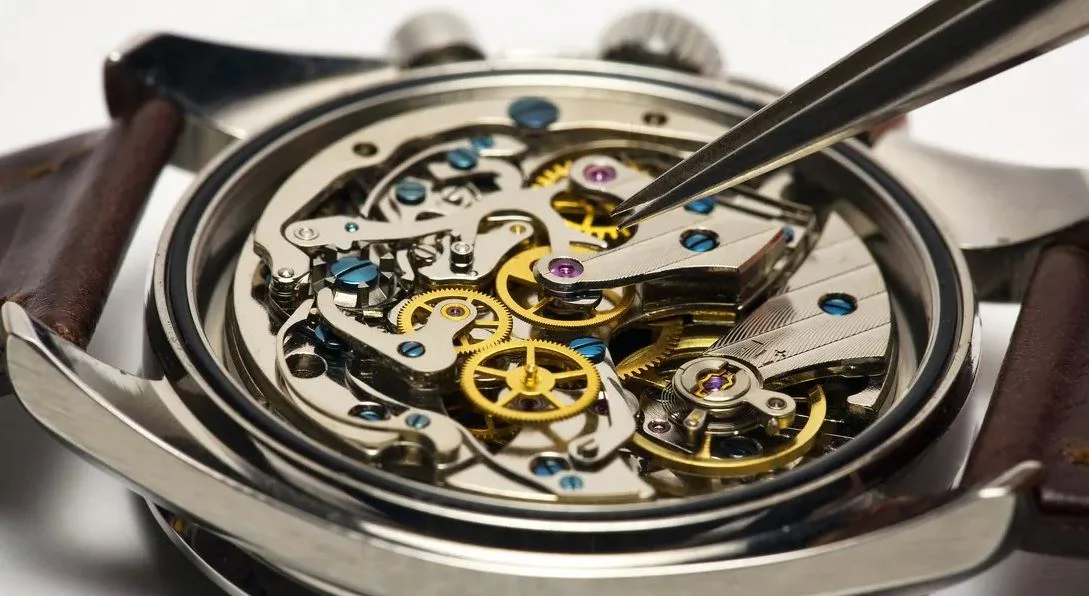
Quality watches require periodic maintenance ensuring reliable long-term performance. Mechanical watches benefit from servicing every five to seven years, during which watchmakers disassemble movements, clean components, replace worn parts, and regulate timing.
Proper storage protects watches from damage. Watch boxes or rolls prevent scratches while keeping pieces organized. For automatic watches not worn daily, watch winders maintain power reserves and accurate timekeeping.
Insurance provides peace of mind for valuable pieces. Specialized watch insurance covers loss, theft, and damage often excluded from standard homeowner policies. Documentation including receipts, certificates, and photographs aids claims processes.
The Personal Connection
Ultimately, watch selection should reflect personal connection beyond specifications or investment potential. A watch worn daily becomes intimate companion, marking life’s significant moments while providing consistent presence through changing circumstances.
Some men inherit watches from fathers or grandfathers, creating tangible connections across generations. Others purchase watches commemorating achievements like graduations, marriages, or career milestones. These pieces carry stories and memories that transcend material value.
The best watch for any man combines appropriate functionality, aesthetic appeal, quality construction, and personal meaning. Whether choosing a two-hundred-dollar Seiko or a two-hundred-thousand-dollar Patek Philippe, selecting thoughtfully ensures satisfaction extending far beyond initial purchase excitement.
In 2025’s diverse watch landscape, every man can find timepieces matching his style, needs, and values. The journey from casual wearer to dedicated collector offers continuous discovery, appreciation, and enjoyment of mechanical artistry that has marked time for generations and will continue doing so for generations to come.