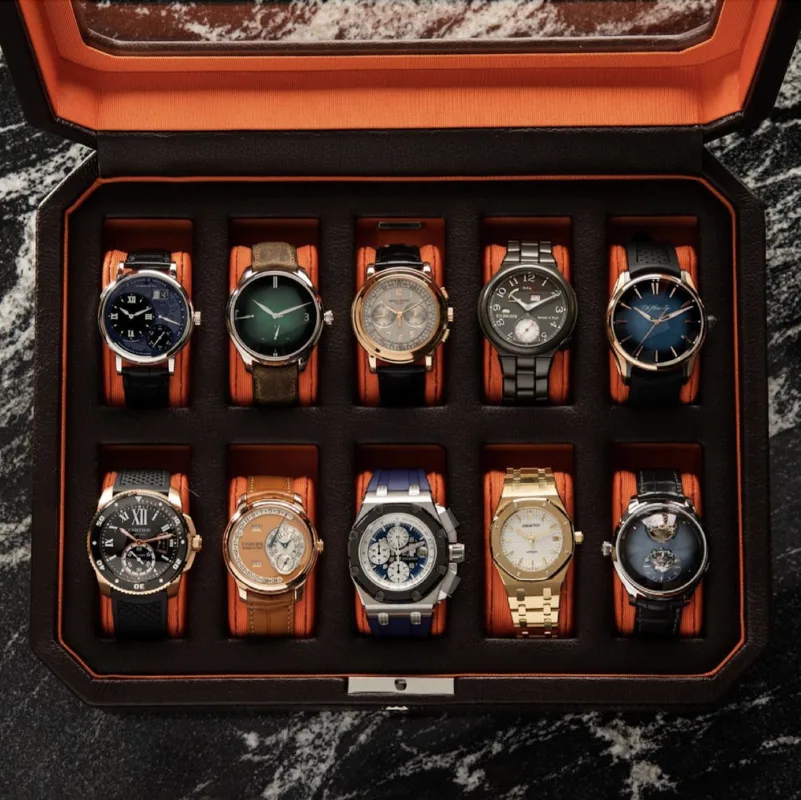
In an era where traditional investments face volatility, luxury watches have emerged as an unexpected champion in the alternative investment landscape.
The global luxury watch market, valued at approximately $59.97 billion in 2025, is projected to grow significantly to over $171 billion by 2034, continues its upward trajectory, with certain timepieces appreciating faster than stocks or gold.
Beyond Timekeeping: The Investment Revolution
Gone are the days when watches were merely functional accessories. Today’s discerning collectors view premium timepieces as tangible assets that combine craftsmanship, heritage, and financial potential.
This shift has transformed the market dynamics, particularly in the pre-owned sector, which surpassed twenty-six billion dollars in value during 2025.
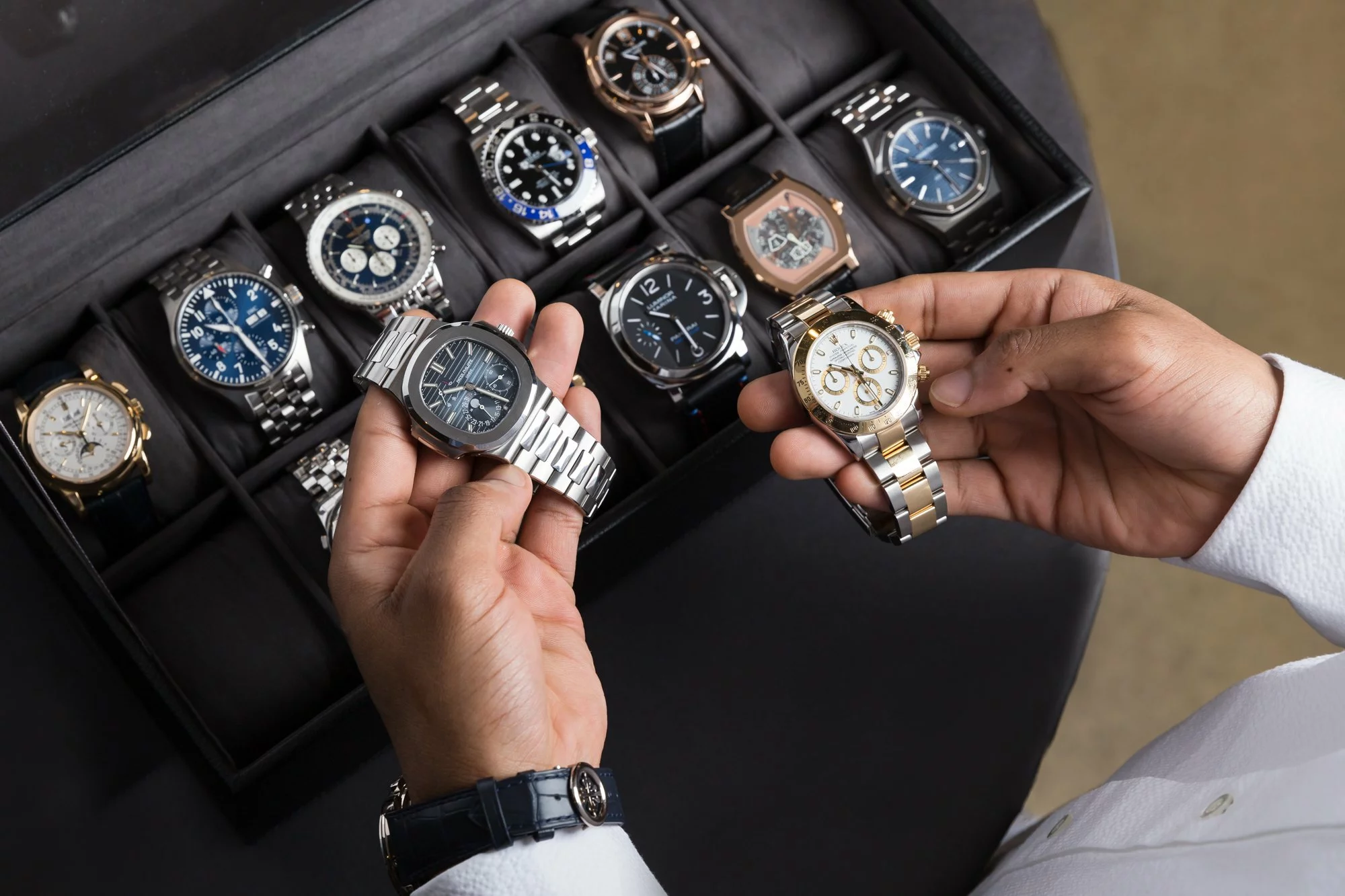
What makes luxury watches particularly attractive to investors is their tangible nature. Unlike digital assets or paper stocks, a Rolex Daytona or Patek Philippe Nautilus can be worn, enjoyed, and appreciated simultaneously.
This dual utility sets watches apart from other alternative investments.
The Holy Trinity of Appreciation
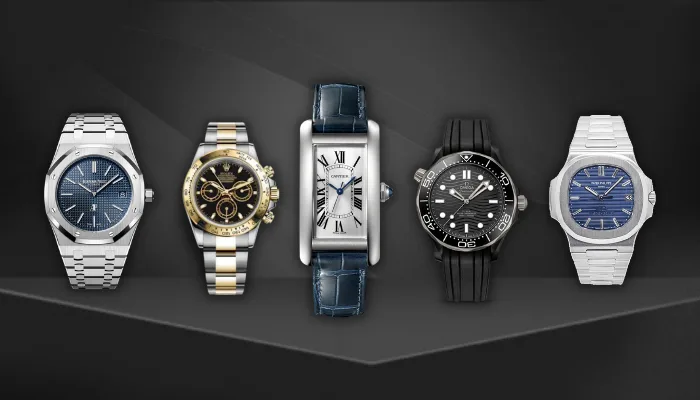
Three brands consistently dominate conversations about watch investment: Rolex, Patek Philippe, and Audemars Piguet. These manufacturers have mastered the delicate balance of limited production, exceptional craftsmanship, and sustained demand.
Rolex remains the undisputed leader in value retention.
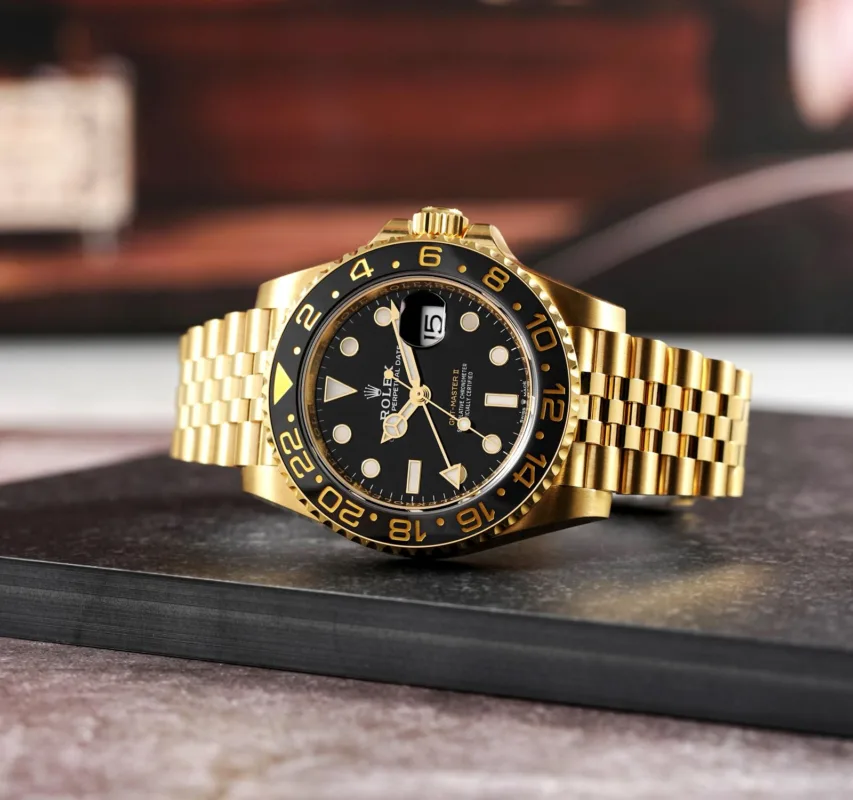
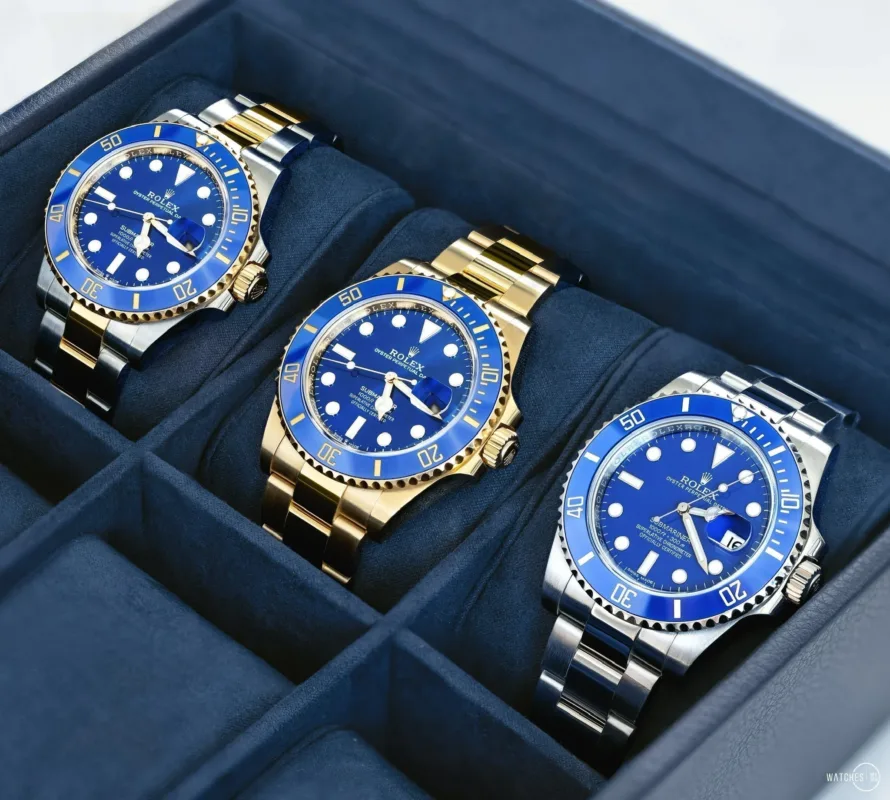
Models like the Daytona, retailing around thirteen thousand dollars, regularly command thirty thousand dollars on secondary markets. This represents annual appreciation rates between eight and twelve percent, outperforming many traditional investment vehicles. The Submariner and GMT-Master II similarly demonstrate robust resale performance, driven by the brand’s global recognition and deliberate production constraints.
Patek Philippe occupies the pinnacle of exclusivity. With annual production limited to seventy thousand pieces worldwide, every Patek represents scarcity by design.
The Nautilus reference has become legendary among collectors, with secondary market prices exceeding one hundred thousand dollars for models that originally retailed below forty thousand. Between 2017 and 2022, certain Patek models appreciated by over two hundred percent, cementing the brand’s reputation as a wealth preservation tool.
Audemars Piguet’s Royal Oak collection continues its reign as the benchmark for luxury sports watches. This year marks AP’s one hundred fiftieth anniversary, celebrated with limited releases that have sent collectors into a frenzy. The brand’s commitment to innovation, including skeletonized movements and carbon fiber cases, keeps demand perpetually high.
The New Contenders
While the traditional Swiss triumvirate maintains dominance, 2025 has seen emerging players carve significant market share. Richard Mille’s ultra-lightweight titanium-lithium alloy watches appeal to tech-forward collectors willing to pay premium prices for cutting-edge materials. The brand’s focus on sustainability through bio-carbon composites aligns with evolving consumer values without sacrificing performance.
Grand Seiko represents Japan’s answer to Swiss luxury, offering Spring Drive technology and nature-inspired aesthetics that resonate with buyers seeking alternatives to European heritage brands. The brand’s emphasis on meticulous finishing at relatively accessible price points has created a devoted following among knowledgeable collectors.
Smart Buying Strategies
Successful watch investment requires more than simply purchasing expensive timepieces. Research forms the foundation of any acquisition.
Platforms like Chrono24 and WatchCharts provide transparent pricing data, allowing buyers to track market trends and identify undervalued pieces before the broader market catches on.
Condition proves critical for resale value. Watches with original boxes, papers, and service history command substantial premiums over those lacking documentation. A well-maintained Rolex with complete documentation might fetch twenty to thirty percent more than an identical piece without provenance.
Buying from authorized dealers offers authenticity guarantees and manufacturer warranties, though secondary market purchases can provide better value for discontinued references. However, the rise of sophisticated counterfeits makes authentication increasingly important.
Blockchain technology is beginning to address this challenge, with brands like Breitling partnering with platforms to create digital passports that verify authenticity and ownership history.
Market Dynamics and Timing
The luxury watch market has stabilized after experiencing volatility between 2022 and 2023. Younger buyers under forty are driving renewed demand, particularly through online channels.
This demographic shift has profound implications for market dynamics, as digital-native buyers research extensively, compare prices globally, and make informed decisions based on data rather than dealer relationships.
Production-linked incentives and manufacturing innovations continue reshaping the landscape. Swiss brands maintain their craft traditions while incorporating modern materials and technologies.
This balance between heritage and innovation keeps established names relevant to contemporary buyers.
Regional Opportunities
India represents one of the fastest-growing luxury watch markets globally. Projected to expand at eleven to twelve percent annually through 2026, Indian consumers increasingly view premium timepieces as status symbols and investment vehicles.
Rising disposable incomes and a growing base of high-net-worth individuals are driving demand for both international luxury brands and domestic players like Titan’s premium offerings.
The Future of Watch Investment
Looking ahead, successful watch investing will require understanding broader luxury trends.
Sustainability concerns are prompting brands to adopt recycled metals and ethically sourced materials. Younger consumers increasingly prioritize environmental and social responsibility alongside traditional luxury markers.
Transparency in manufacturing and resale processes will become standard expectations.
Buyers want to know component origins, labor practices, and environmental impacts. Brands that embrace this transparency will likely command loyalty premiums from conscientious collectors.
The integration of digital tools with physical retail creates opportunities for informed purchasing. Virtual try-ons, augmented reality showrooms, and detailed online specifications allow buyers to research thoroughly before committing to five-figure purchases.
Investment or Passion?
While financial returns attract many to luxury watches, the most successful collectors balance investment potential with personal appreciation.
A watch worn and enjoyed provides intangible returns that pure financial instruments cannot match. The best investment pieces are those that bring pleasure in ownership while maintaining or increasing value over time.
For those considering entering the luxury watch market, the fundamentals remain unchanged: buy quality, verify authenticity, maintain condition, and think long-term. The watches that appreciate most reliably are those from heritage manufacturers with proven track records, limited production, and timeless designs.
As traditional investment vehicles face uncertainty, luxury watches offer a compelling alternative that combines aesthetic pleasure, functional utility, and financial potential. Whether driven by passion, profit, or both, today’s collectors are discovering that time truly can be money when invested wisely on the wrist.
Understanding “First Copy” Watches vs Genuine Luxury Timepieces
Search interest around so-called “first copy” or replica watches has grown in India and other markets. These products are designed to imitate the visual appearance of luxury brands like Rolex, Audemars Piguet, TAG Heuer, and Hublot — often emphasizing cosmetic similarity such as dial layout or case styling.
While some replicas attempt higher exterior finishing than low-cost imitations, they are not manufactured by the original brands and do not include the engineering, quality control, or long-term service support that define genuine luxury watches.
Buyers should understand key differences:
-
No authentic mechanical craftsmanship or certification
-
No warranty or brand servicing support
-
Potential legal and ethical concerns
-
Minimal resale or collector value
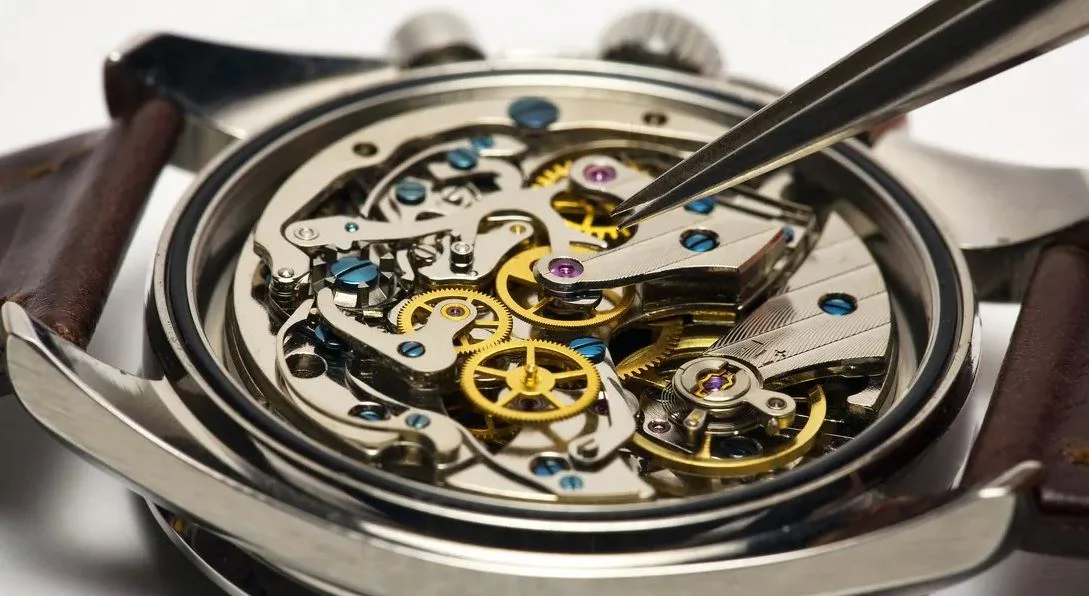
Luxury watchmaking is built around heritage engineering, materials science, and finishing standards that replicas cannot reproduce. For collectors or long-term buyers, authenticity, serviceability, and value retention remain central considerations.
Consumers exploring affordable alternatives may want to consider legitimate entry-level watches from established manufacturers rather than imitation products.